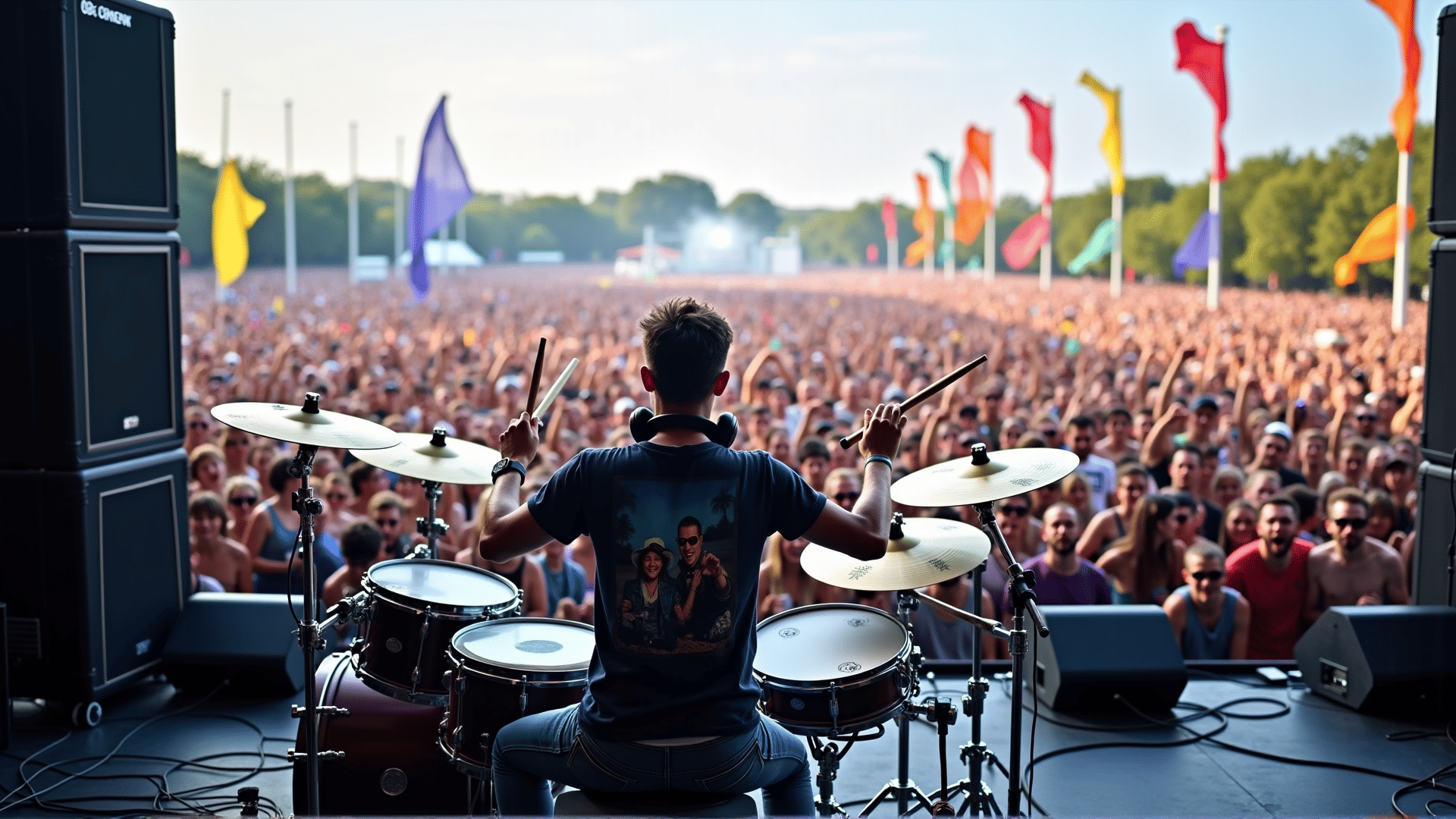
At the heart of every music festival lies a powerful force that brings people together regardless of their differences: the pulsating rhythm of drumming. Drumming serves as an essential element of music festivals, creating a universal language that transcends cultural and linguistic barriers. It is through the beat of the drum that festival-goers are united, marching to the same cadence as they immerse themselves in the shared experience of live music.
The importance of drumming at music festivals cannot be overstated. It acts as the backbone of musical performances, setting the tempo and guiding other instruments through the intricate tapestry of sound. From the deep, resonant echoes of the bass drum to the sharp staccato of the snare, drumming provides the driving force that energizes both musicians and audiences alike. It is the rhythm that gets people moving, compelling them to dance and lose themselves in the moment.
Drumming at music festivals also serves as a bridge between diverse musical genres. Whether it's the tribal beats of African drums, the rapid rhythms of Latin percussion, or the intricate patterns of Indian tabla, drumming styles from around the world find their place on festival stages. This rich diversity allows festival-goers to experience a global musical journey, fostering an appreciation for the myriad cultural traditions that contribute to the universal language of rhythm.
The communal aspect of drumming is another reason it is so vital at music festivals. Percussion circles, where anyone can join in and contribute to the rhythm, are a common sight at these events. These inclusive gatherings cultivate a sense of community and belonging, inviting people of all backgrounds to participate in the creation of music. Each person adds their own unique touch to the collective sound, reinforcing the idea that music is a shared, participatory experience.
Music festivals are often seen as spaces of freedom and expression, and drumming plays a key role in facilitating this atmosphere. The spontaneity and improvisation inherent in drumming allow performers to connect with their audiences on a deeply personal level. The call-and-response nature of drumming invites interaction, creating a dynamic flow of energy between the stage and the crowd. This interaction blurs the traditional boundaries between performer and spectator, making everyone an integral part of the musical experience.
Moreover, drumming has a therapeutic and transformative power that enhances the festival experience. The repetitive, rhythmic patterns can induce a meditative state, allowing individuals to disconnect from the stresses of everyday life and connect with their inner selves. This transcendental quality of drumming makes it a means of emotional release and healing, offering festival-goers not just entertainment, but a path to rejuvenation and balance.
In conclusion, drumming is the heartbeat of music festivals, driving the energy and spirit that define these events. Its ability to unite, inspire, and heal confirms its indispensable role in creating memorable and inclusive experiences. As the drums resonate across festival grounds, they echo the universal truth that music is a powerful connector of people, fostering unity and understanding through the simple yet profound language of rhythm.